
Climate11 min read
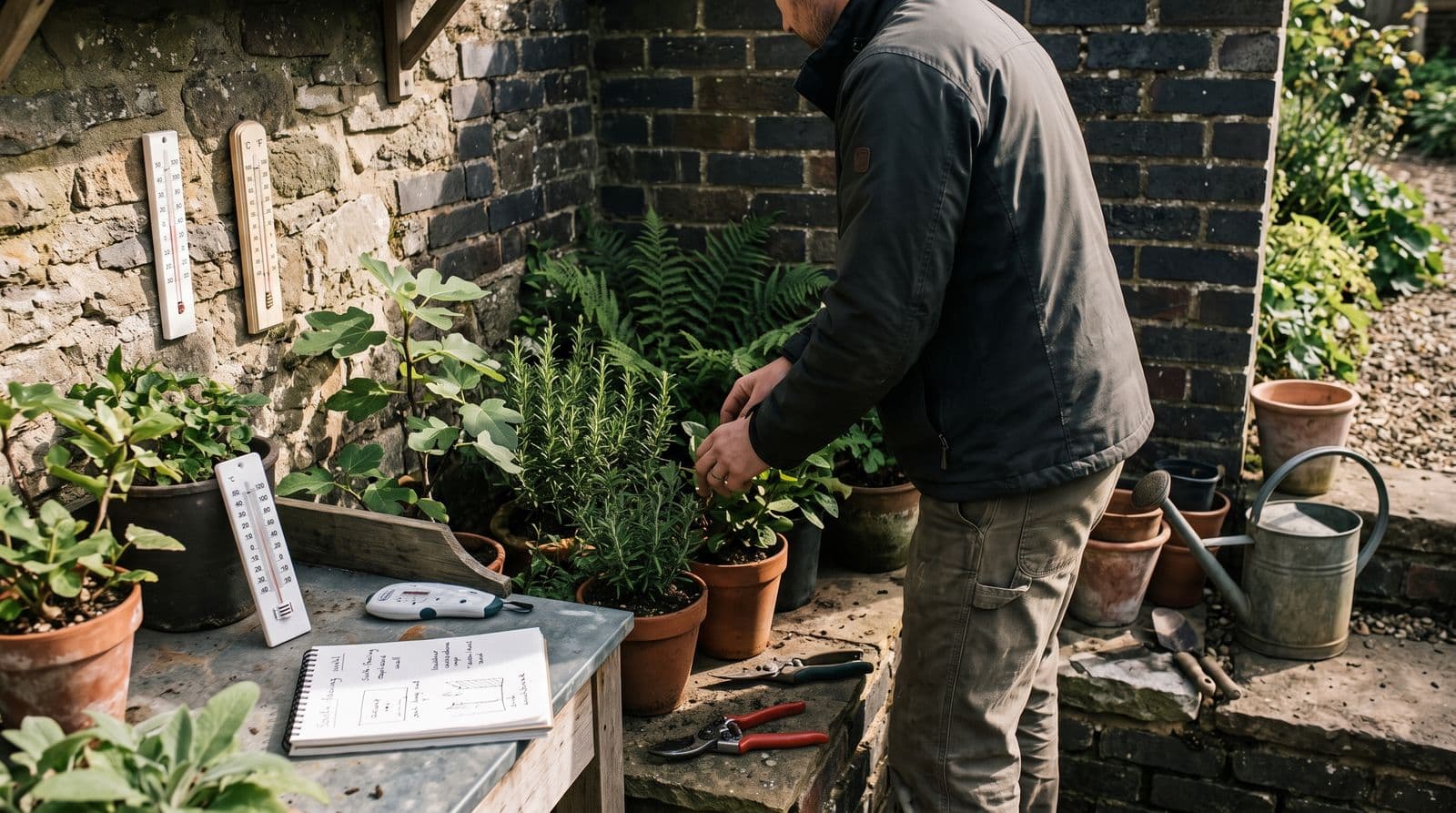
What Is a Microclimate, and How Do You Use One in Your Garden?
A microclimate is a small patch of garden with its own temperature, wind and light. Map yours over one season, then give tender plants the warmest spot.
Read the noteDedrab
Garden design and layout guidance — planting, materials, spatial planning, and seasonal advice.
A microclimate is a small patch of garden with its own temperature, wind and light. Map yours over one season, then give tender plants the warmest spot.
Read the note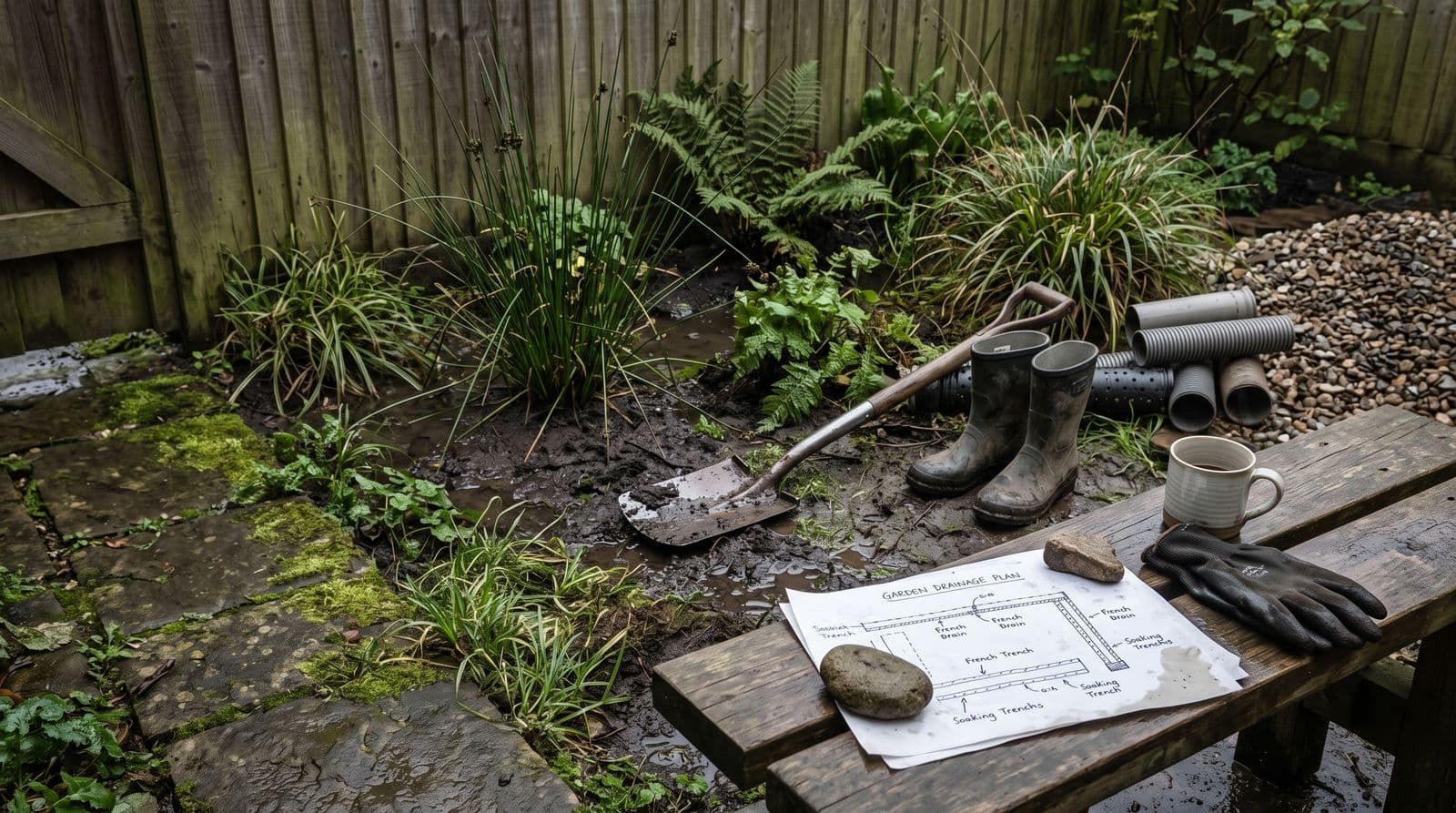


The restrictions lift, the rain comes back, and the garden looks worse than you expected. Here's how to tell what's actually dead from what's just dormant, and what we've found genuinely helps a garden recover from a prolonged dry spell.


Eight UK water companies and all of Ireland are under restrictions right now. Here's what a hosepipe ban actually stops you doing, what order your garden needs water in, and what we've found genuinely works when the hose is off limits.
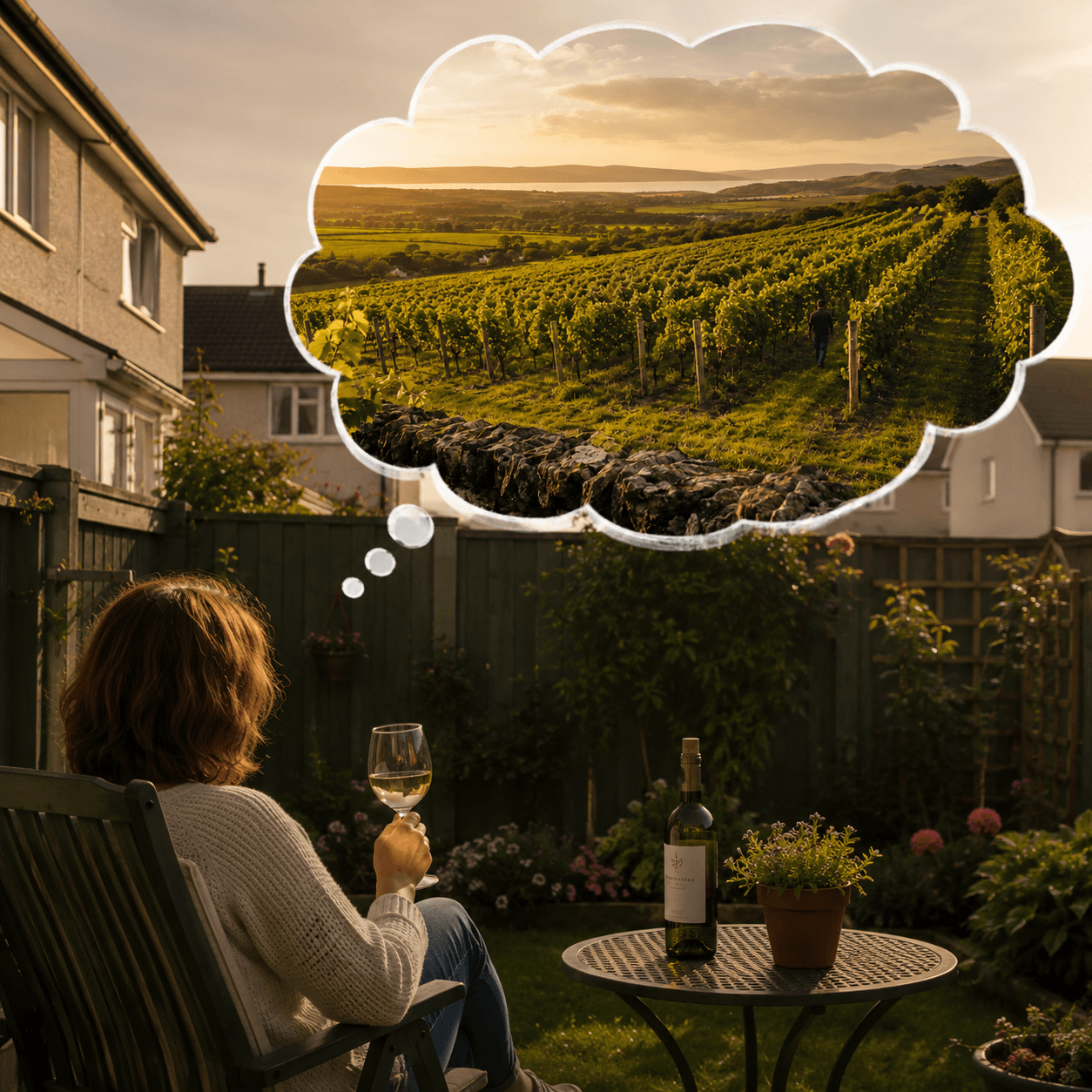
Grapes are being grown commercially in Ireland — really. What does the rise of Irish viticulture tell us about the way the climate has shifted, and what does it mean for what you can grow in your own back garden?
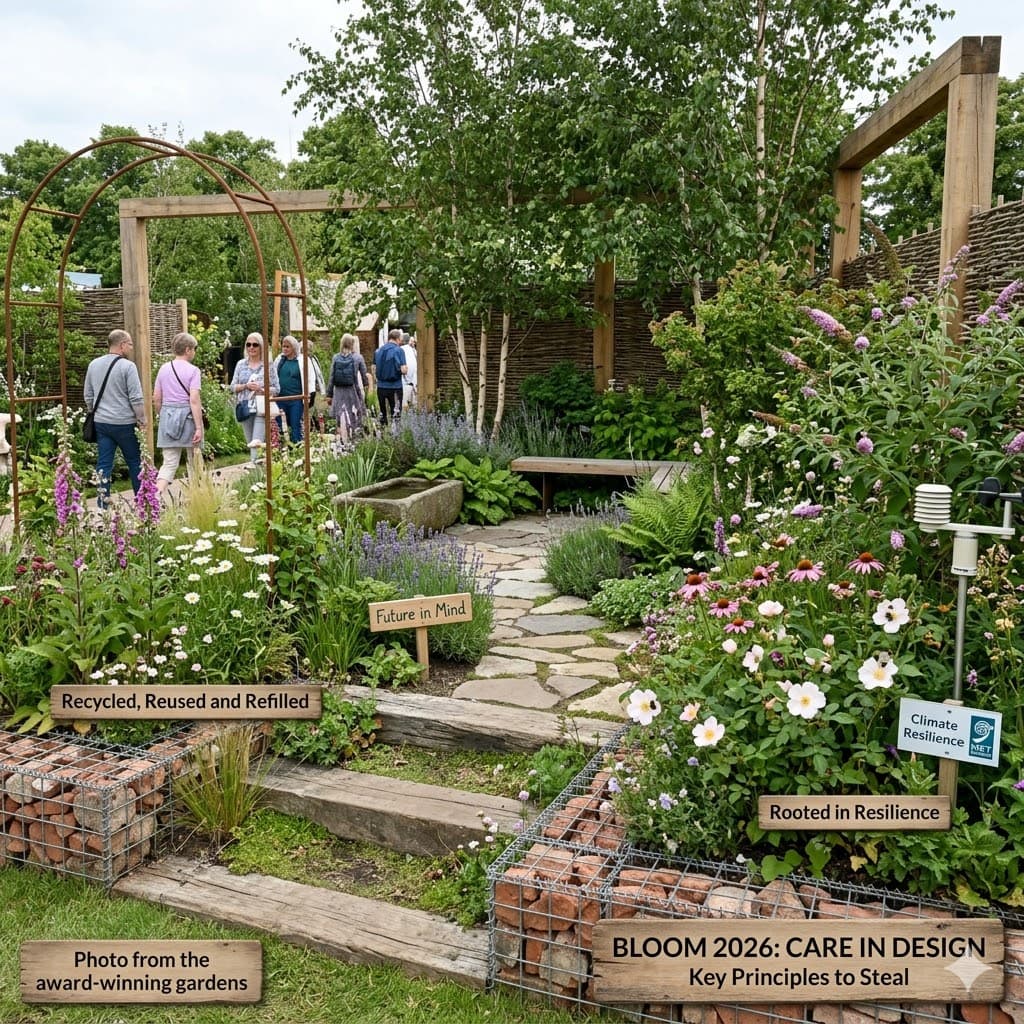
Bord Bia Bloom 2026 wrapped up at the Phoenix Park with 20 show gardens, 11 gold medals and around 100,000 visitors. The principles that made those gardens work translate to a real back garden far better than most people realise. Here's what stood out, and how to actually use it at home.

English sparkling wine now beats champagne in blind tastings. Vineyards have spread from Sussex to the Midlands. What does the rise of British viticulture say about how the climate has shifted — and what does it mean for your own garden?
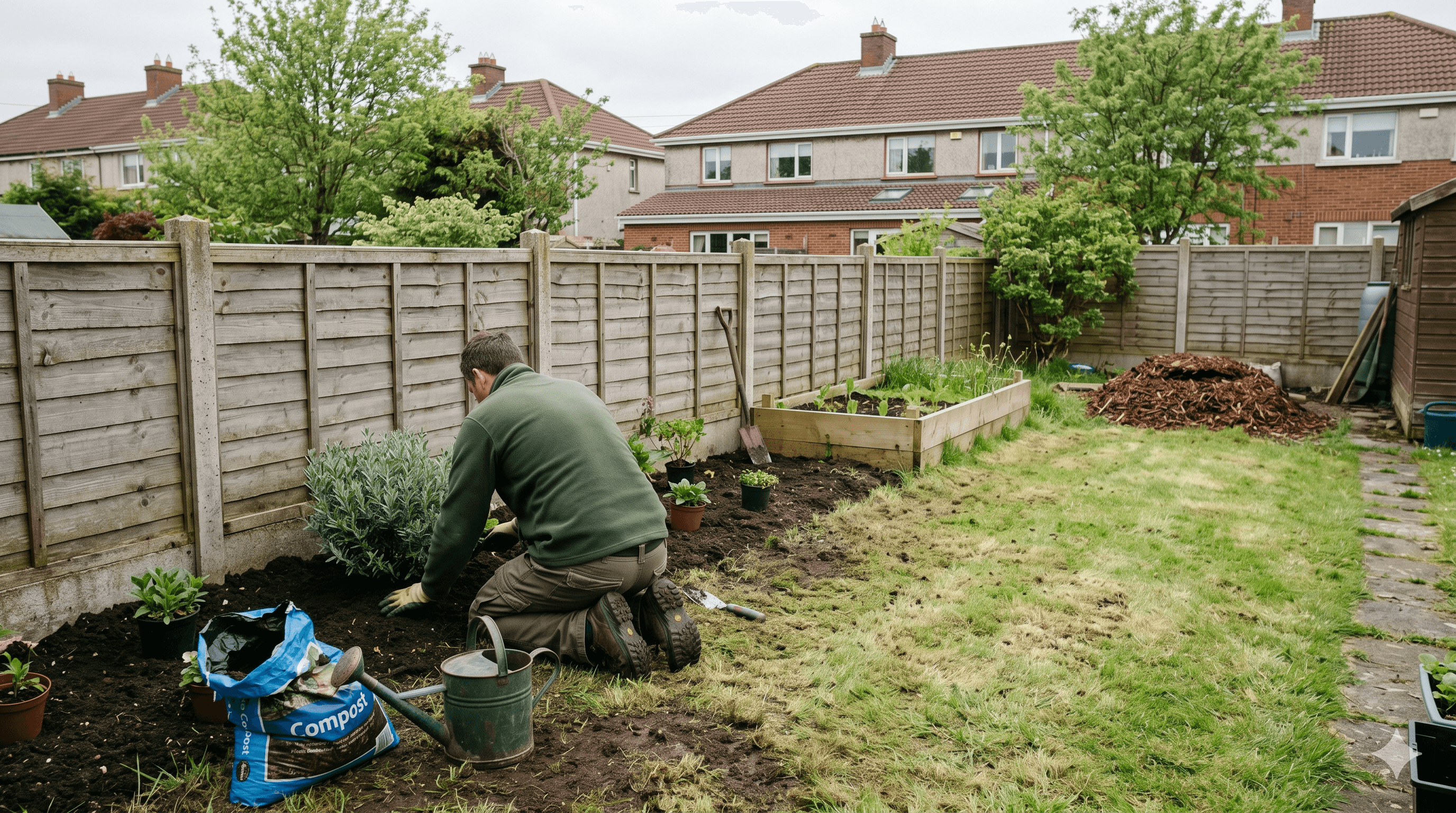


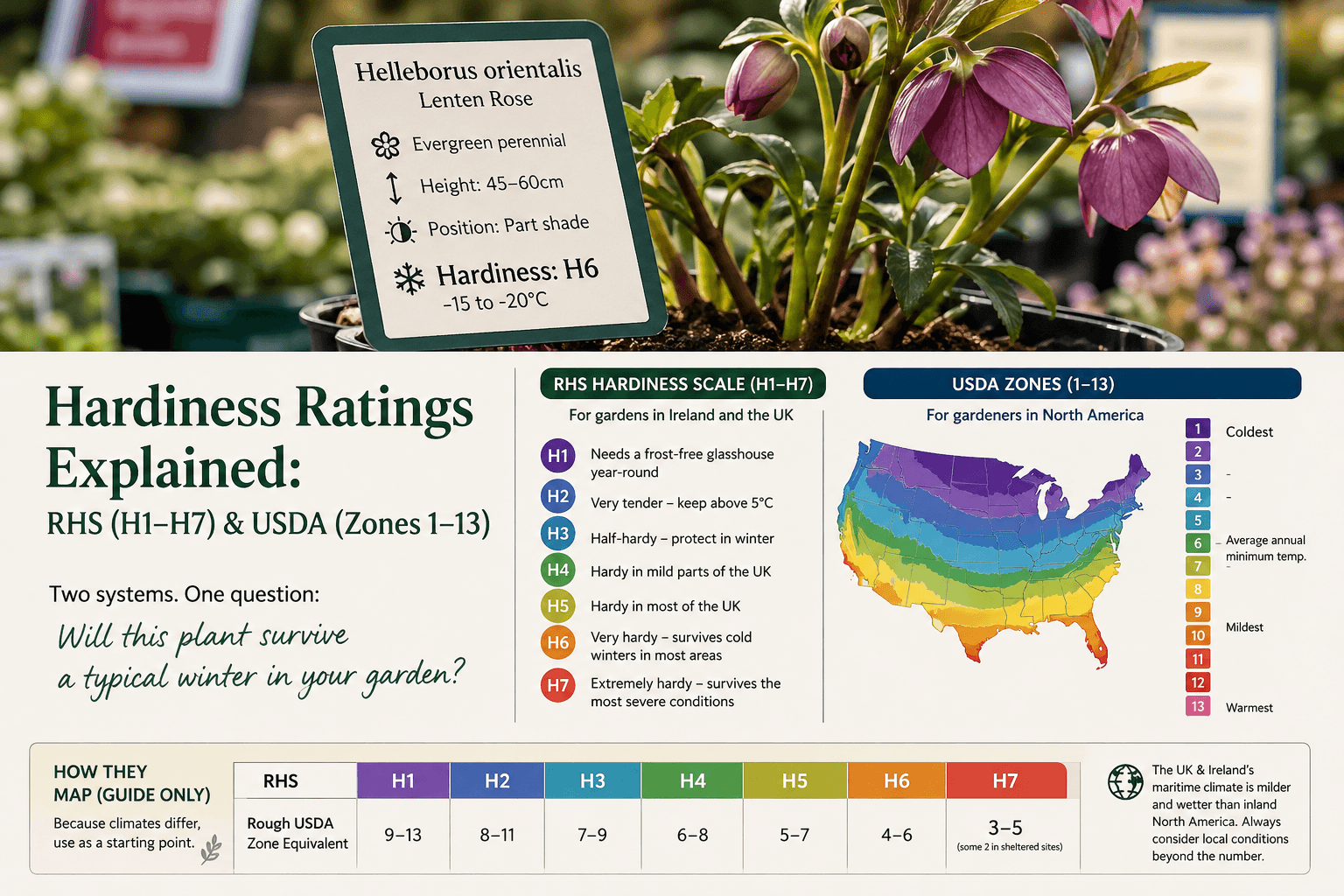
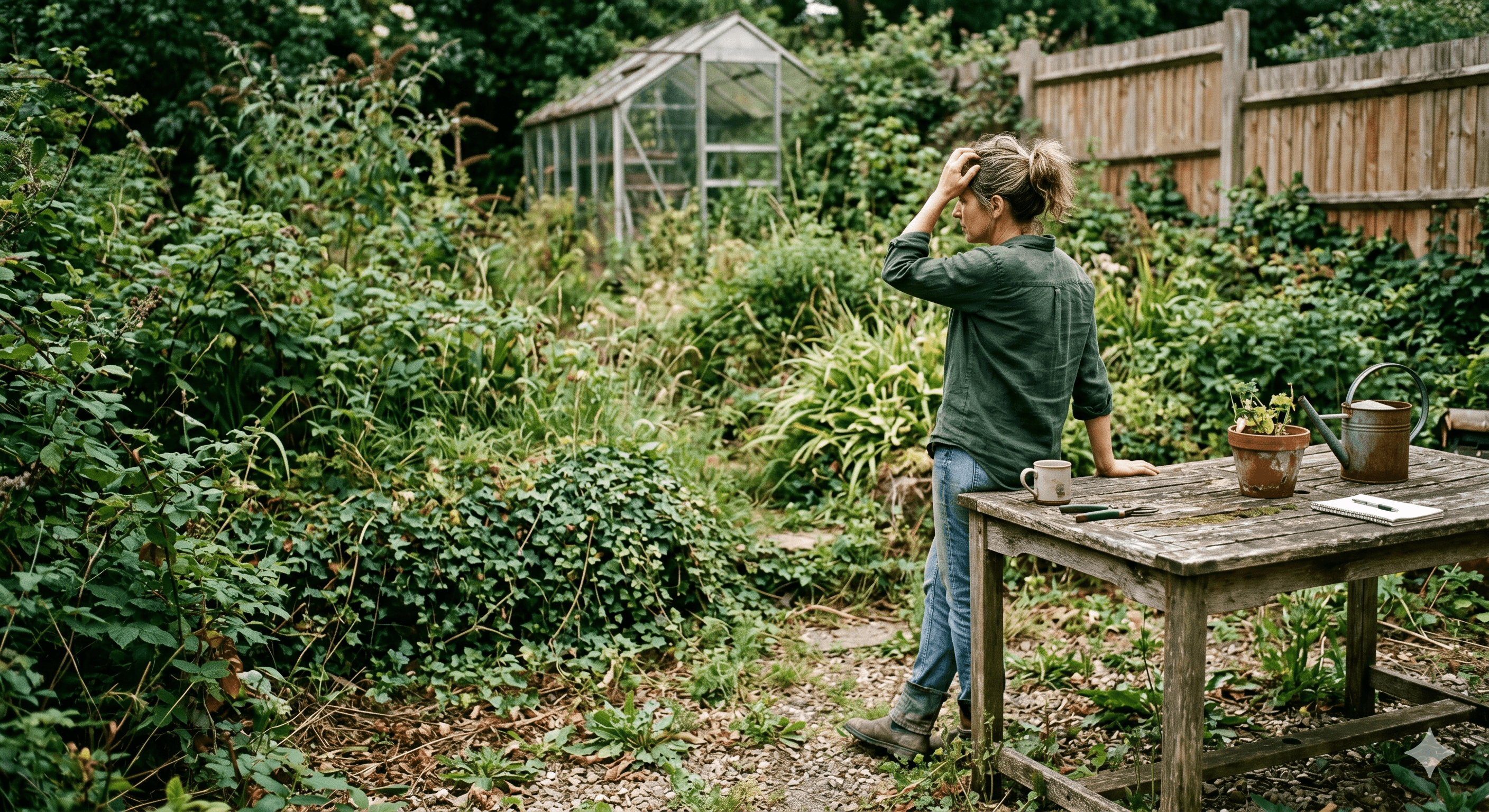
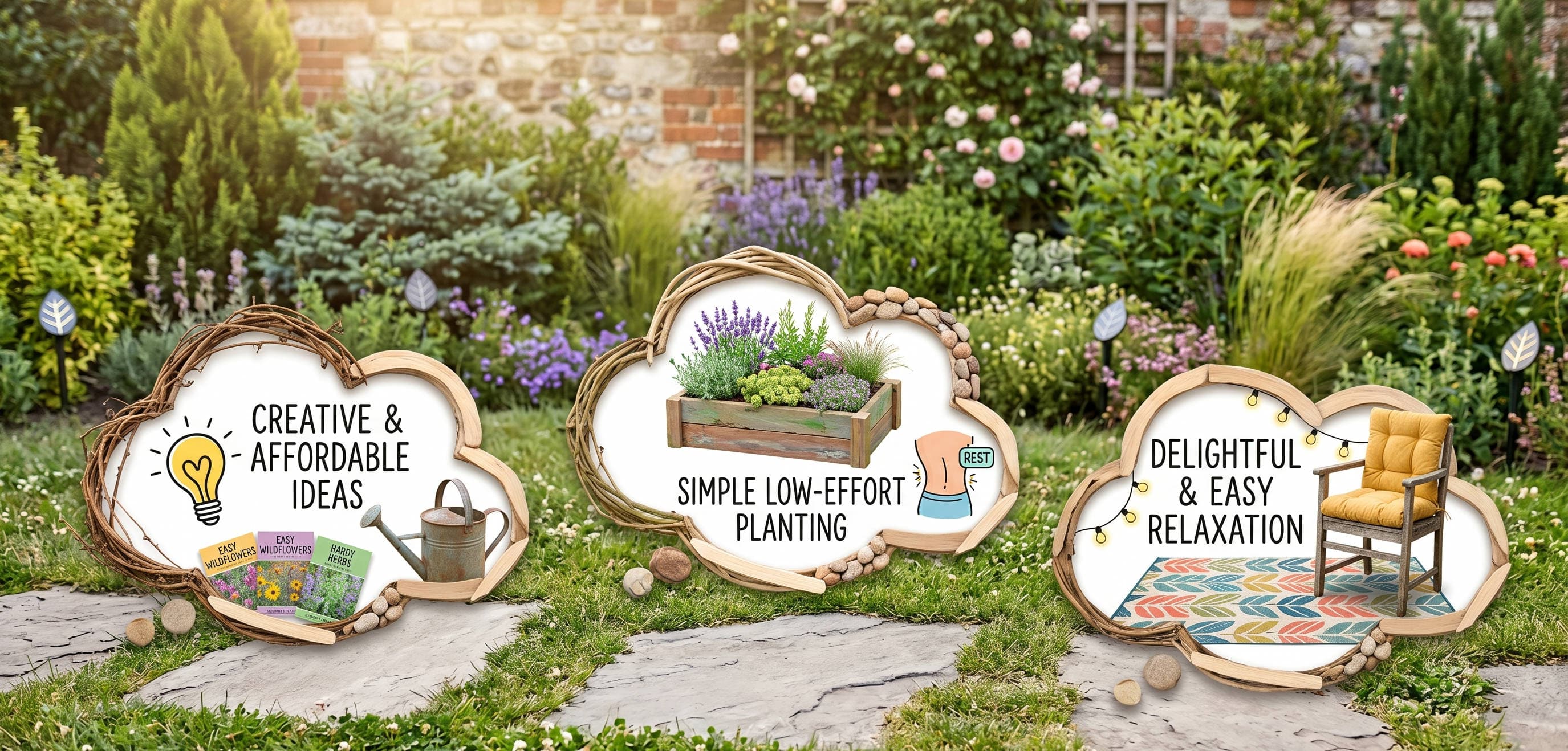
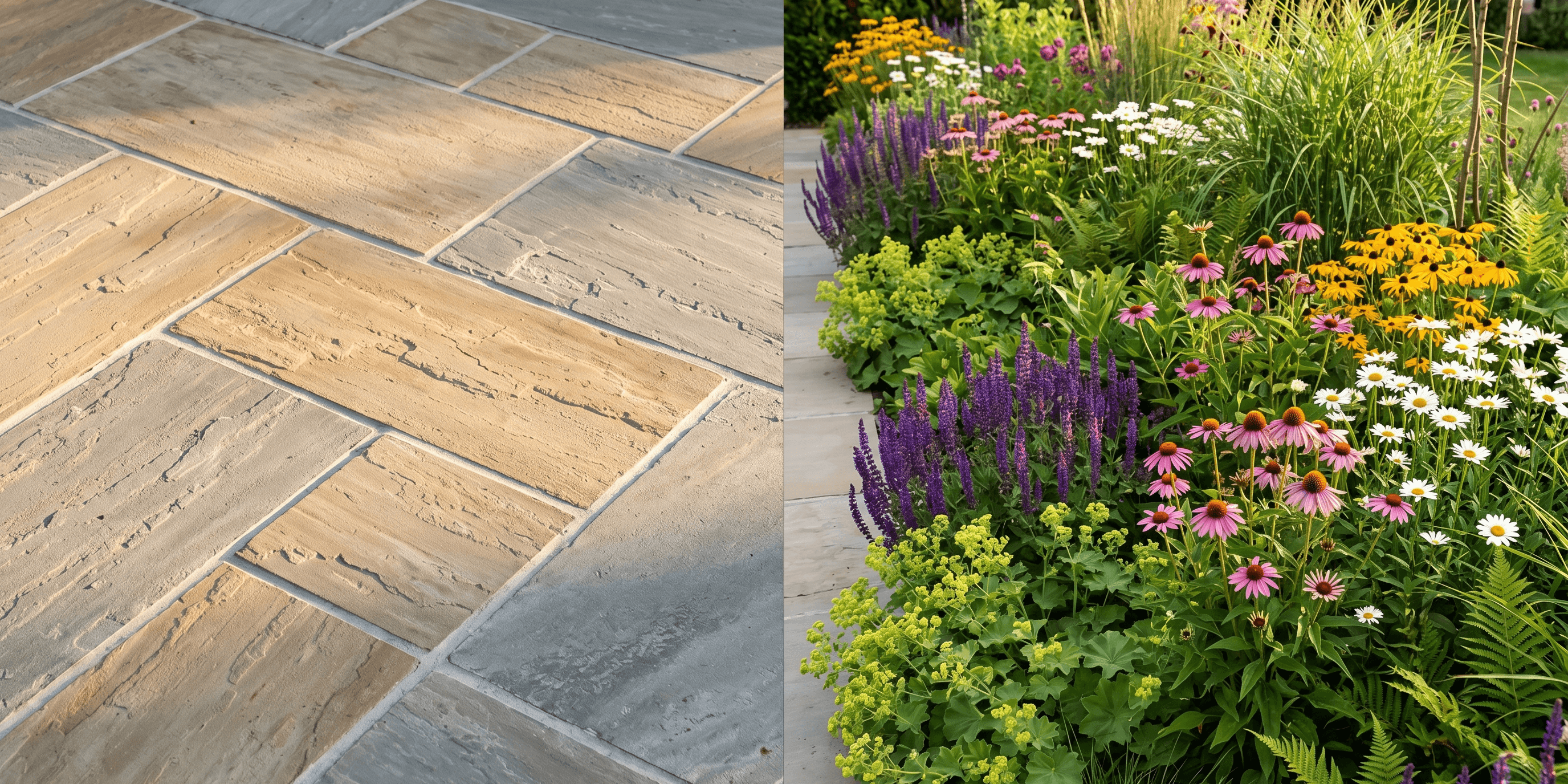

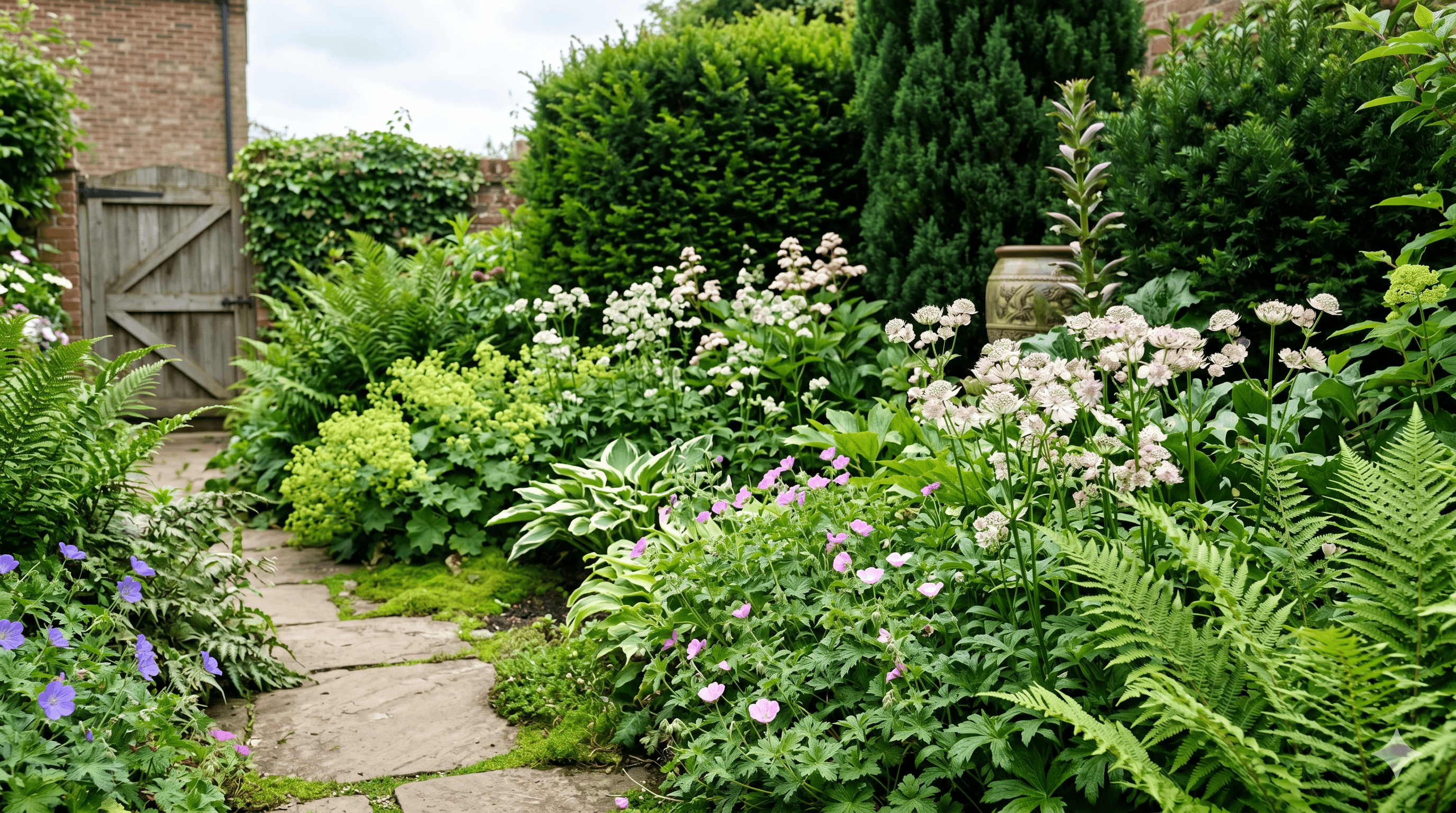
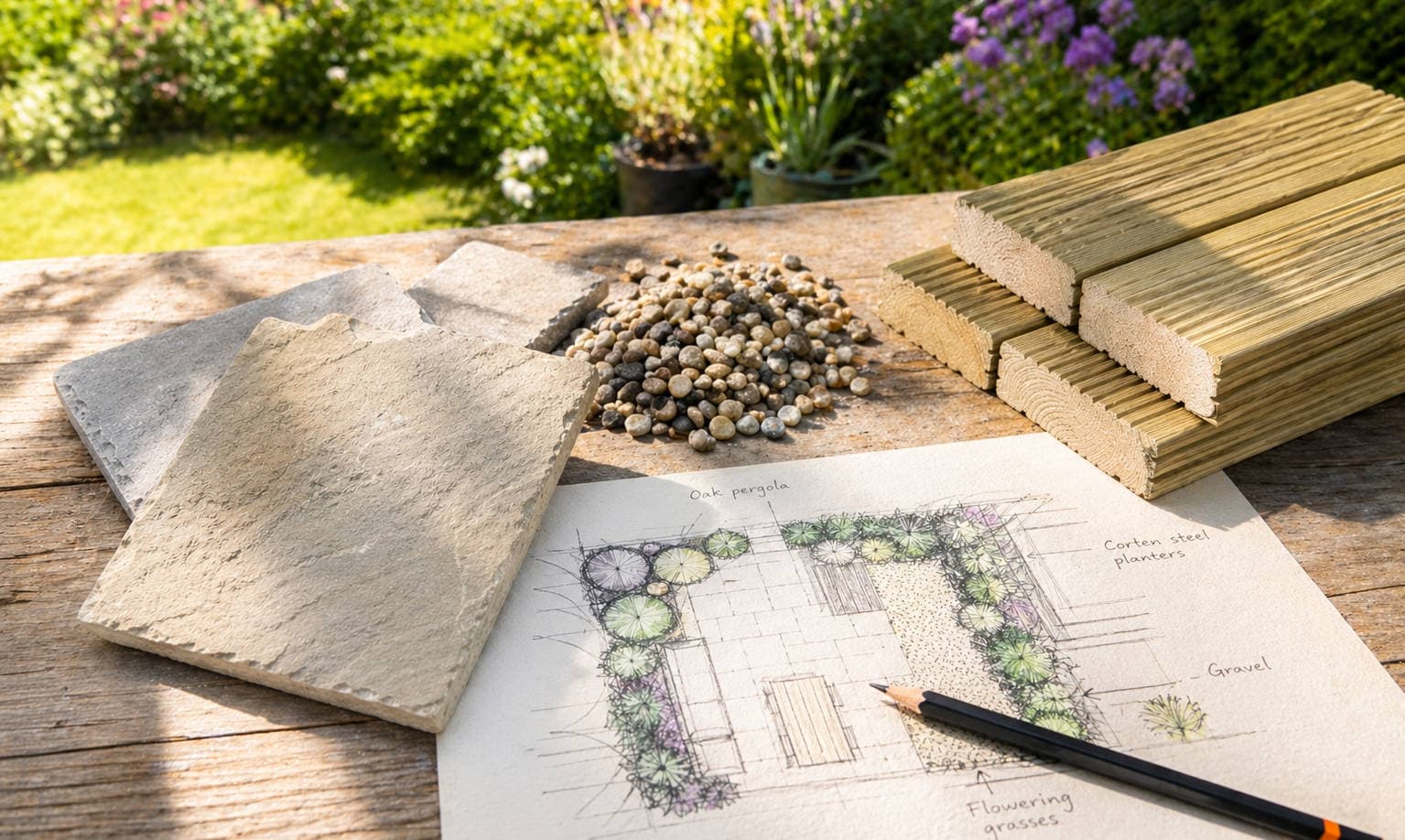
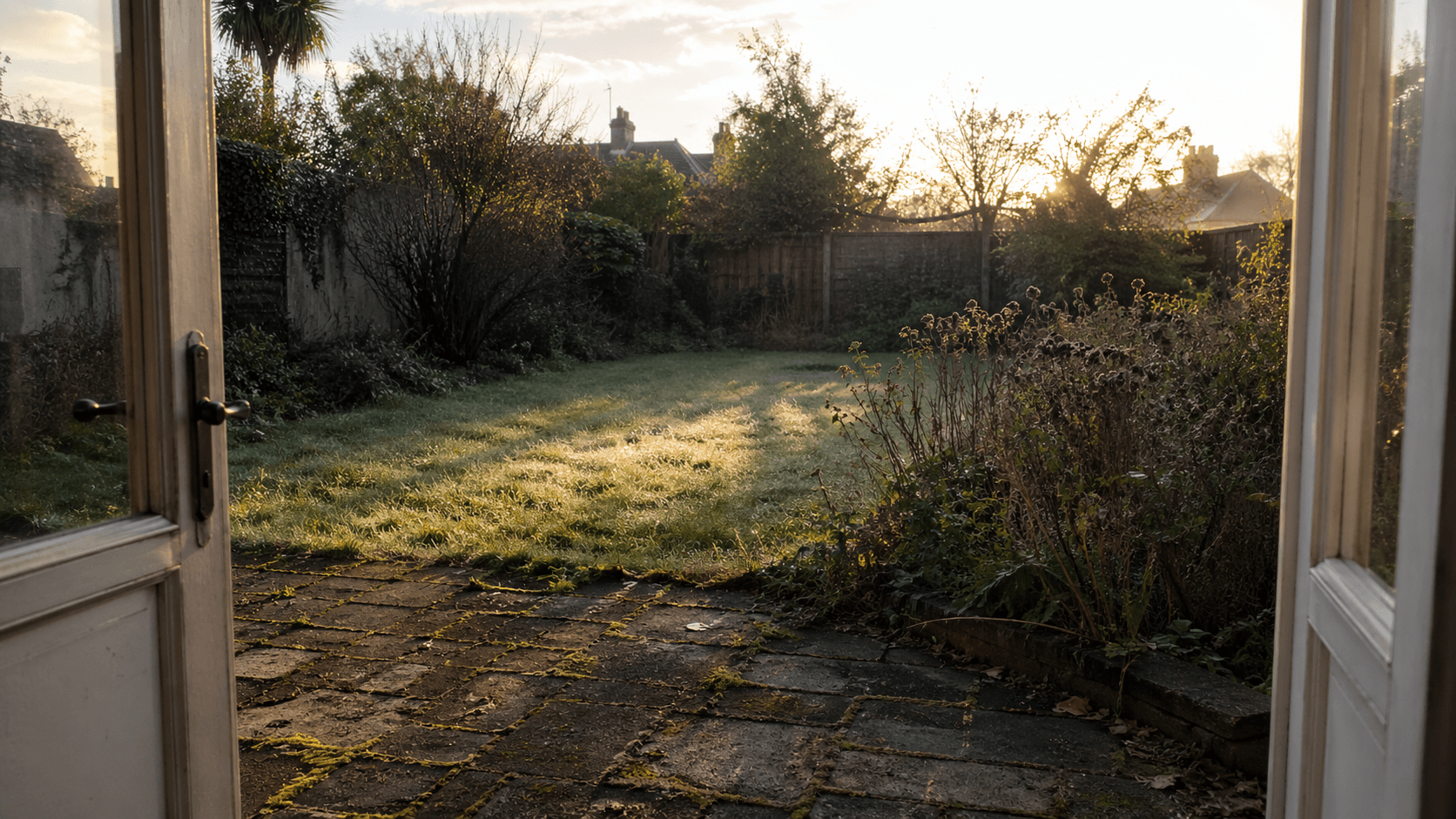
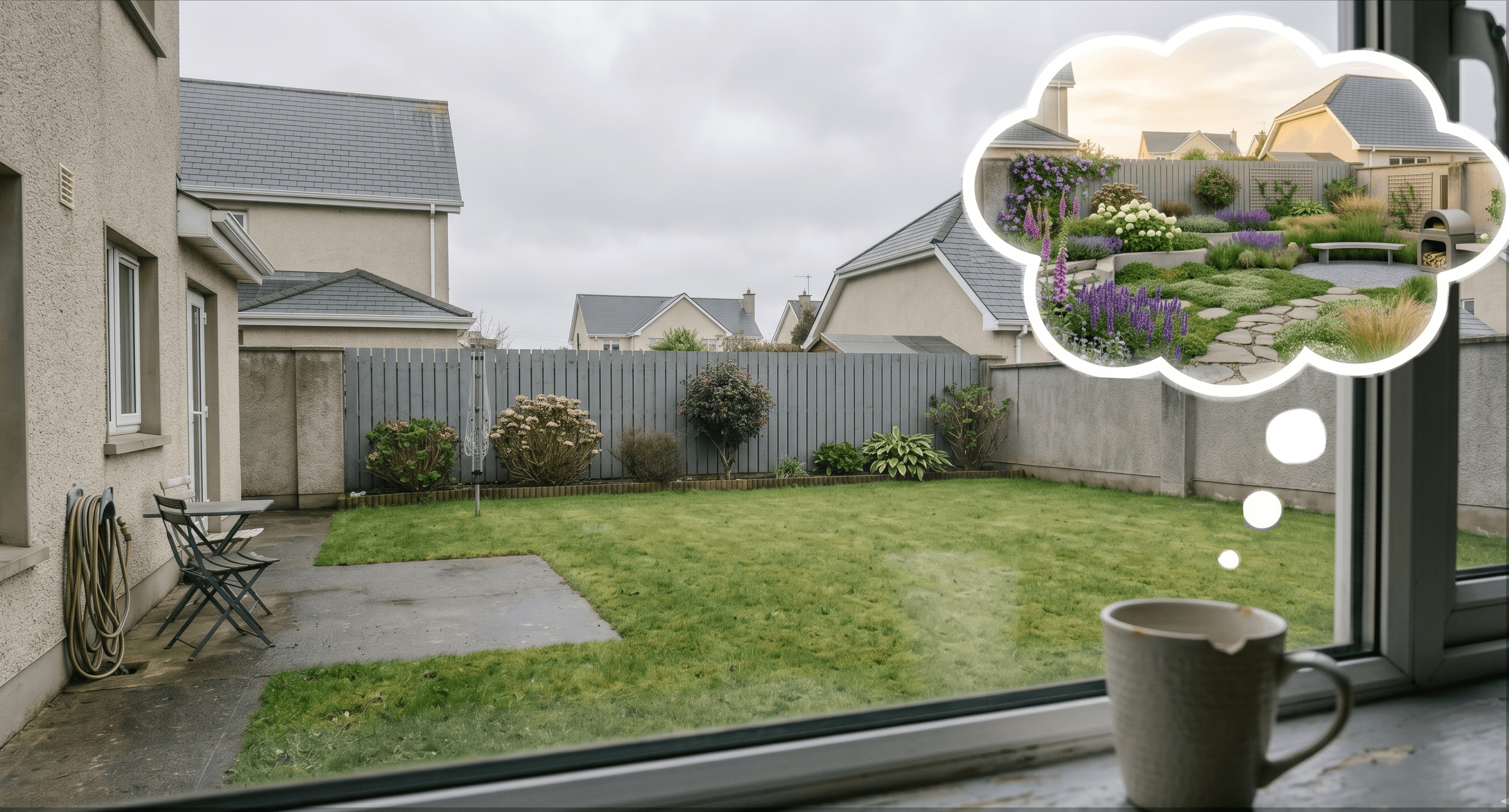
There's a name for the gap between the garden you're pinning at midnight and the one staring back at you on a Sunday morning. We call it Landscape Paralysis — and it's more common than moss on a north-facing wall.